Plant-based milk has become an alternative that reflects a mindful approach to health—from natural ingredients to production processes that prioritize nutritional value. This article introduces you to “plant-based milk,” a perfect choice for modern consumers seeking quality, balance, and peace of mind in every glass!
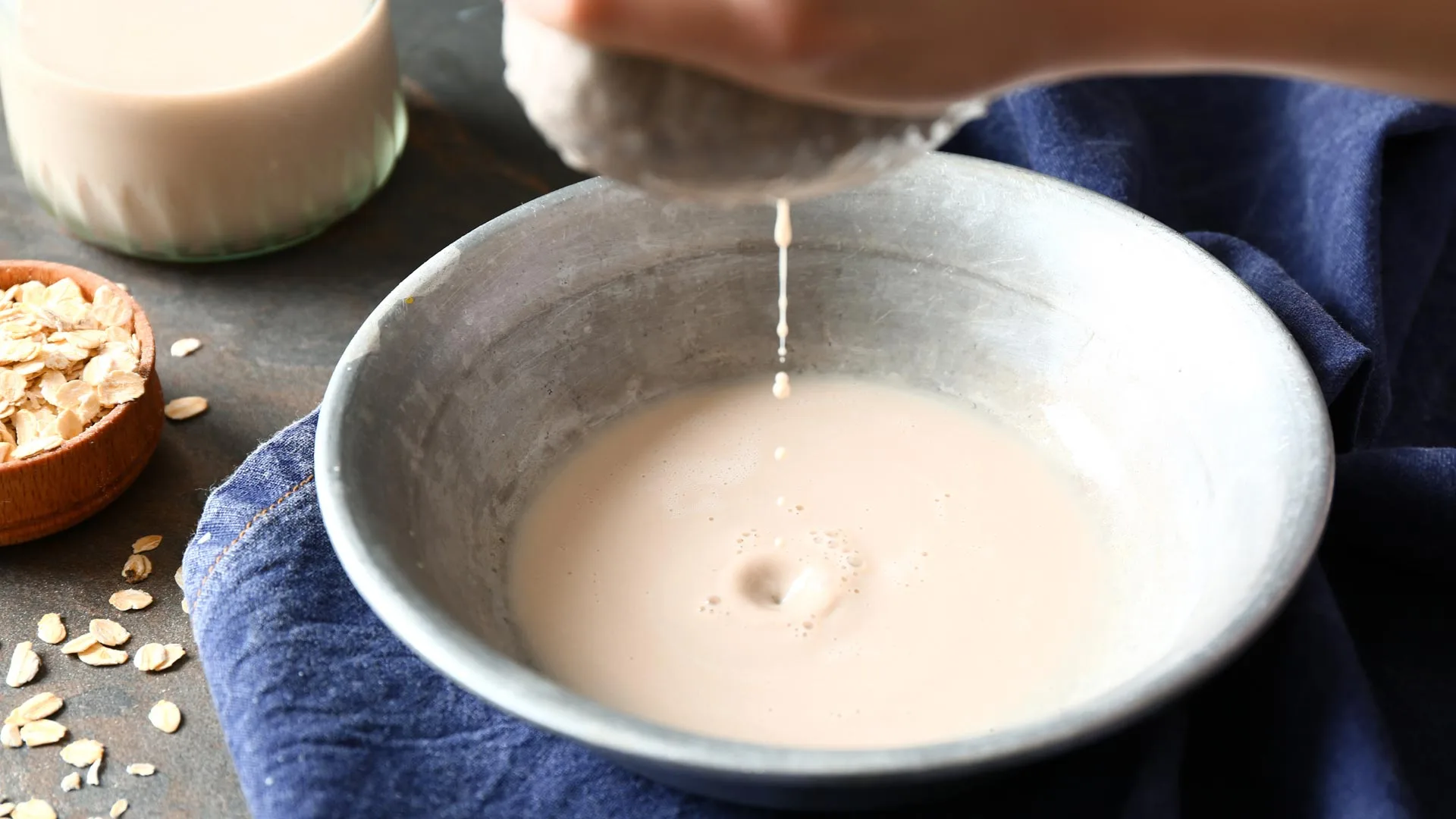
What is Plant-Based Milk and How Does It Differ From Cow’s Milk?
Plant-based milk is a beverage made from plant products such as legumes, grains, or seeds that have been processed by soaking, grinding, and filtering. Some are also formulated with additional vitamins to enhance their nutritional value to match that of cow’s milk. It is suitable for those that are lactose intolerant, vegetarian, vegan, or anyone seeking an option that is easier to digest.
How Is It Different From Cow’s Milk?:
- Source:
- Cow’s milk is derived from animals and naturally contains casein protein and lactose.
- Plant-based milk is derived from plants and contains no lactose and no animal protein.
- Digestion and Allergies:
- Cow’s milk contains lactose which is difficult to digest for some, potentially leading to bloating or stomach discomfort.
- Plant-based milk does not contain lactose which is a gentler alternative for the digestive system.
- Amount of Protein:
- Cow’s milk is naturally high in protein.
- Certain types of plant-based milk such as soymilk contain a similar level of protein to that of cow’s milk.
- Fats and Calories:
- Cow’s milk contains both saturated and unsaturated fats.
- Plant-based milk usually contains less saturated fats (with the exception of certain types such as coconut milk), with some formulas being lower in calories.
What Types of Plant-based Milk Are There? |
|---|
1. Almond MilkMild in taste with a subtle aroma, it is rather low in calories with good fats from almonds, making it perfect for those watching their calories. 2. Soy MilkIt has a high protein content, making it the closest to cow’s milk among plant-based milk options in terms of protein. 3. Oat MilkSmooth and creamy in flavor, while high in fibers from oats. It is naturally sweet, making it perfect for lattes or baked goods. 4. Coconut Milk BeverageA distinctively fragrant plant-based milk containing natural fats from coconut. It is most commonly used in drinks and baked goods. 5. Other Plant-based Milk Options (e.g. Cashew / Rice / Pistachio Milk)These options offer a variety of flavors and nutritional profiles, helping provide more diverse choices for consumers. |
Oat Milk: Another Plant-based Option That Is Not Only Delicious But Offers Health Benefits!
Oat milk is another plant-based milk option derived from oats. It has been processed through various stages such as soaking, grinding and filtering to result in a smooth, creamy beverage that is easy to drink while being naturally sweet in taste.
- Good for the Gut: Oat milk contains an important nutrient known as “Beta-Glucan”, a type of soluble dietary fiber.
- Helps to promote the function of beneficial gut bacteria.
- Helps to improve the digestive system and elimination
- Promotes better balance in the digestive system
- Promotes Weight Management: Naturally, oat milk contains less saturated fats as compared to cow’s milk while still providing sufficient energy.
- Contains fibers which helps you stay satiated for longer
- Reduces hunger or cravings between meals
- Lower in saturated fats as compared to whole milk
- Helps to Improve Skin Health: Oats contain natural antioxidants such as “avenanthramides” with certain formulas also containing vitamin E.
- Antioxidants help to lower stress
- With better gut health, skin complexion also often appears more radiant.
- Healthcare During Pregnancy: Oat milk can be consumed as an milk alternative for lactose intolerant pregnant women.
- Contains fiber which helps to reduce constipation—a common symptom amongst pregnant women.
- Certain formulas add more calcium, vitamin D and B12, all of which are important for the infant’s development.
- Opt for a sugar-free formula, and ensure you are getting enough protein intake from other sources as well.
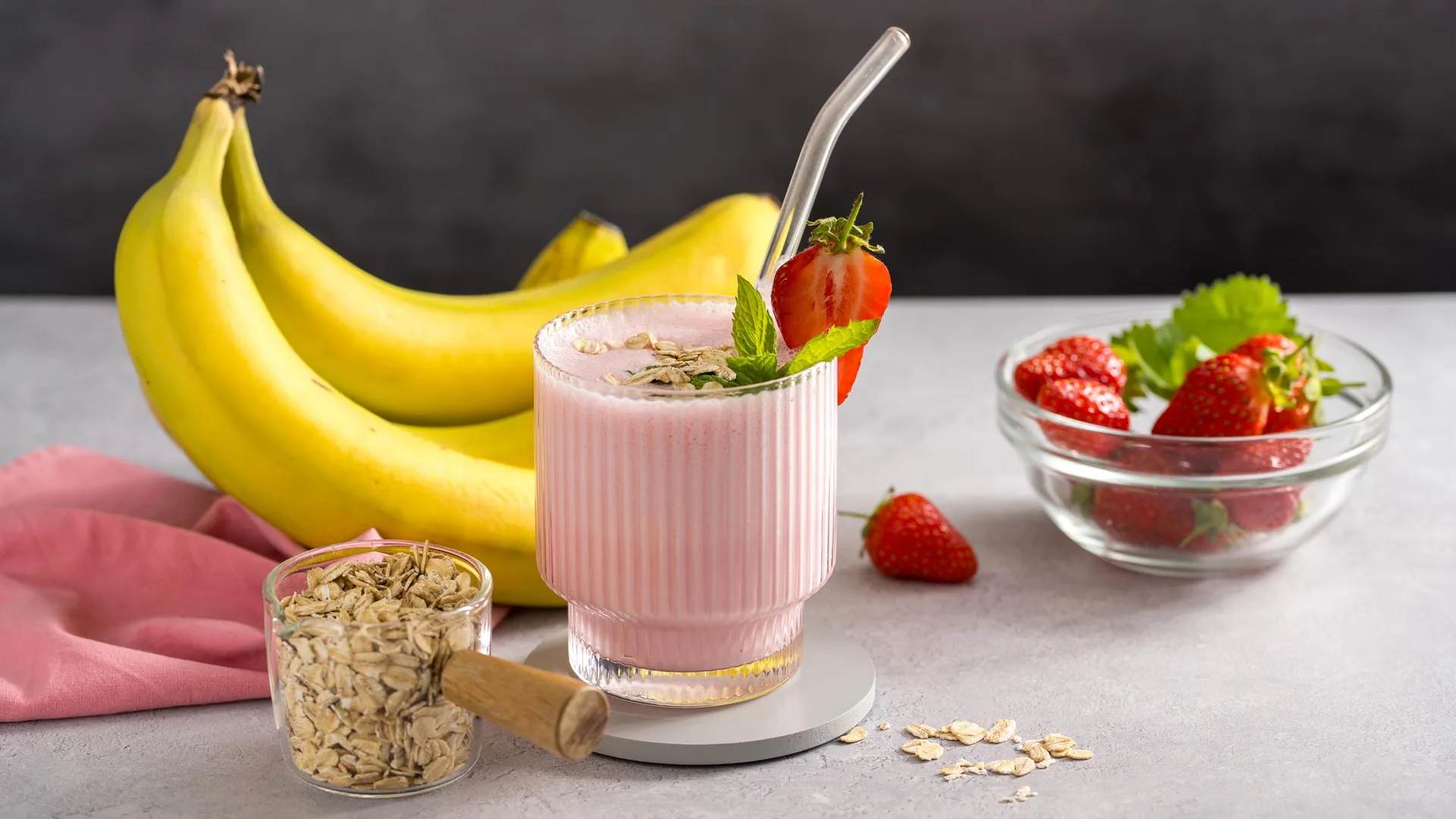
Plant-Based Milk: Refreshing Drink Pairings!
1. Incorporating Plant-based Milk in Beverages
- Mixed with Coffee
- Oat milk is smooth in texture, which produces a beautiful latte foam.
- Almond milk is light in taste, perfect for those watching their calories.
- Soy milk is high in protein and similar in taste to that of cow’s milk.
- Brewed with Tea
- Matcha + Oat Milk = Creamy, smooth aroma
- Thai Tea/Black Tea + Soy Milk = Rich and balanced taste
- Smoothie
- Almond Milk + Berries = Refreshing while low in calories
- Soy Milk + Banana/Peanut Butter = Protein-rich which helps you to stay full for longer.
- Oat Milk + Dates/Cocoa = Naturally sweet without the need of any additional sugar.
2. Paired with Salads
Plant-based milk can also be made into creamy salad dressings such as by blending oat milk, mustard, lemon juice and olive oil together without relying on heavy cream. This helps reduce saturated fats, making it suitable for those that enjoy plant-based meals.
3. Baked Goods and Desserts
Plant-based milk can also be used in replacement of cow’s milk in a 1:1 ratio for many recipes such as pudding, jelly, or plant-based ice cream.
Before choosing a plant-based milk, it is important to carefully read the label. Opt for unsweetened formulas, and always check the protein and added calcium content to ensure they meet your nutritional needs. Today, you can conveniently shop for high-quality plant-based milk from a wide range of leading international brands at Villa Market—available both in-store and online, all in one place.